


The bell struck one-o’clock. I pressed my shirt down nervously, checked my reflection in the mirror, put on some fresh chapstick. The portal window opened, and the women poured into the room. Souls from all over the world. And there I was, leading a brand-new group of people who didn’t know each other, on a topic that would scare the pants off of most humans. We were inviting people to tell the truth, out loud.
And we had just 90 minutes to do it.
Telling the truth, not only to others, but also to ourselves, can be a risky move. If you’ve ever had an uncomfortable truth that’s hard to look at, or even harder to try to talk about, then you know this well. There are many reasons why we might avoid a difficult topic: our own shame or embarrassment; not wanting to hurt other people’s feelings; worrying what other people might think about us; not being ready to address our stories; even not knowing ourselves in this moment.
But pretending and covering up these deeper knowings comes at a cost. It adds stress. And if we don’t let the truth out, the weight we’re carrying becomes a larger and larger burden. We forget how much we carry when we hide our stories away from each other.
Part of why we hide is that we’ve falsely come to believe we might be the only ones: the only ones who feel like a failure, who don’t know what’s next, who got lost along the way. So out of this embarrassment, we keep these truths to ourselves.
You’re not the only one.
Telling the truth, especially to the right people, is powerful. It’s healing, connecting, liberating. But it needs to be done carefully and with consideration.
Telling the truth, especially to the right people, is powerful. It’s healing, connecting, liberating. But it needs to be done carefully and with consideration—not everyone has the capacity to carry your stories, and not everyone will respond well.
I’ve found that gathering groups of people together, under the right constraints and with the right frameworks, can be a place of deep growth. If we’re all committed to each other’s growth, if we’re taught how to skillfully listen and how to carry the stories — that’s where we can really grow.
“When a woman tells the truth, she is creating the possibility for more truth around her,” said Adrienne Rich, poet and essayist. Each time we tell the truth, we carve out more space for ourselves and each other. Part of our work is to listen to ourselves and each other more deeply. These whispers, these truths, come to us asking for our attention.
Which brings me back to the room, the women in the circle.
Before we can tell the truth, we must establish trust, safety, and reciprocity, a sense of camaraderie and shared giving. This is my role as the facilitator. And we do this work slowly, and then quickly. One of the most important pieces is making sure everyone has plenty of time to talk. That’s what the structure of a Salon is about: shared conversation, shared contribution, being together, being witnessed.
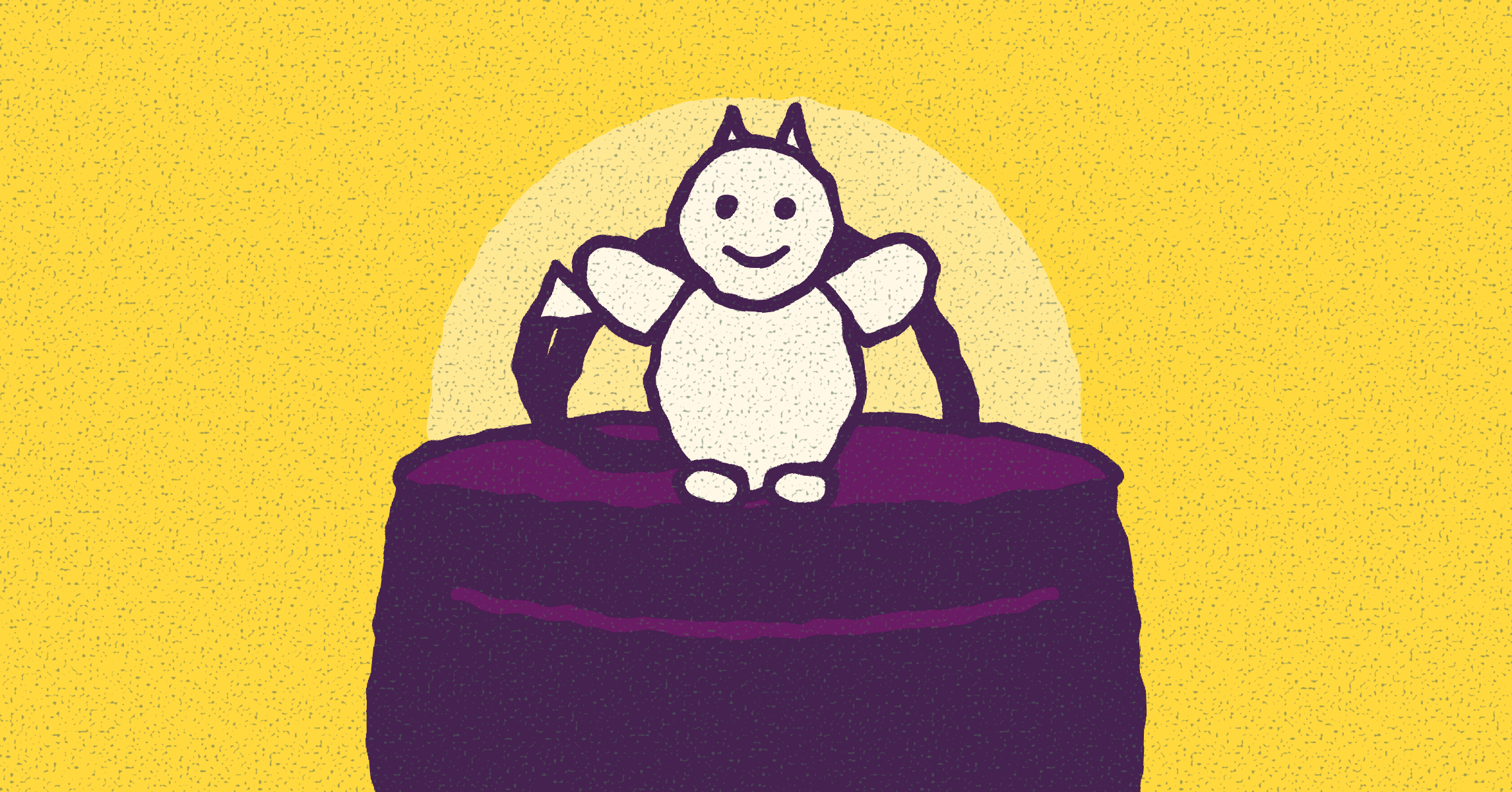
Toward the end of the session, I introduced the tiny red dragons.
“When a woman tells the truth, she is creating the possibility for more truth around her.” — Adrienne Rich
What are these tiny red dragons, you ask?
They’re the whispers, the naysayers, the truth-cannons that we all carry around in our socks, in our purses, in our pockets. But we’ve been given instructions to do everything we can to keep these dragons hidden from view. We act as though there are no dragons in the world. We must not speak of the dragons.
But here’s the truth:
We all have dragons.
So I invited the women to name a dragon out loud. We broke into pairs, and I asked each person, one at a time, to take a turn.
Picture me, pantomiming pulling a tiny dragon out of a giant purse, introducing it to the room, and then petting it softly on its back. “This one right here is Backgammon, and she’s the pain I feel in my back every single day, that I’m afraid to talk about too much.”
Then, after you name your dragon, your partner says hello to it.
How nice it is to meet you, tiny red dragon!
Then it’s their turn. The person across from you pulls out one of their dragons and introduce it to the room. We went back and forth for two minutes before returning to the main group.
Opening up and sharing your dragon can be a scary act. It’s easier when you’re part of a group, and when you’re calling your scary feelings and truths “tiny red dragons.” These are the rituals and conversational games we play in my rooms. Each 90-minute session is sequenced with clear guidelines, confidentiality, and expectations. I teach people how to respond to each other and what kinds of words to use, and we talk about what it’s like to share.
“Working with you is helping me realize that I won’t get as much growth if I’m always trying to be the strong one, the one that’s always put together.”
At the end, I asked how it felt to share their dragons. They said:
“It’s been a remarkable experience, just this journey of these 90 minutes. Can’t believe it’s already over.”
“Working with you is helping me realize that I won’t get as much growth if I’m always trying to be the strong one, the one that’s always put together.”
“This is a great reminder for me to continue to put myself in spaces like this. Telling my truth, asking for help, this is the work I need to do more of.”
“It’s so powerful to recognize how many other women are in the world that are really, a lot like me.”
We name the dragons, and then I let people tuck them back into their bags as they leave. This is part of the process. We don’t eliminate them. We don’t try to squash them. And we don’t leave them out in the brutal open air, either. We tuck them back in, keeping ourselves safe, and go back out into the world. But we’re still changed. Because when we recognize that there other people that know they exist, carrying them around gets a little easier.
If you’d like to meet one of yours, these are the journal prompts that help me when I’m feeling stuck:
What are you afraid to say out loud?
If I’m being honest…
The uncomfortable part that I’m not saying is…
I’m scared to look more deeply at…
If my dragon had a name, it would be…
Because telling the truth is how we figure out who we really are, what we really want, and where we want to go next. And it’s our life, asking us to listen.
This week’s idea:
Everyone has stories, feelings, worries, insecurities. You are not alone if you are feeling lost, overwhelmed, confused, jealous, scared, irritated, worried, or more.
Everyone has dragons.
— Sarah
Hi, I’m Sarah K Peck. I’m a writer, leadership coach, and the founder of The Wise Women’s Council and Startup Parent. I write How To Be Human, a newsletter about leadership, friendship, work, and building a more thoughtful life.
Level up your life with The Wise Women’s Council.
The Wise Women’s Council is now open for applications. Connect with other deep-thinking, ambitious leaders who are designing lives on their own terms. We gather every Thursday to talk about power, money, visibility, change, and the long game of building a life and body of work that actually fits you and your dreams. If you’re craving depth, community, and a different way of leading, apply today to join us.
✱ Read Next ✱


✱ Poetry ✱
✱ Personal Stories ✱
I’m exploring a second substack for more personal stories about depression, anxiety, trauma, laughter, daily joy, and figuring things out through the whirlwind of perimenopause, aging, parenting, and neurodiversity. It’s still brand new, but you can read a snippet here.